Where Our Money Actually Goes on Adventures (Hint: It's Not What You'd Expect)
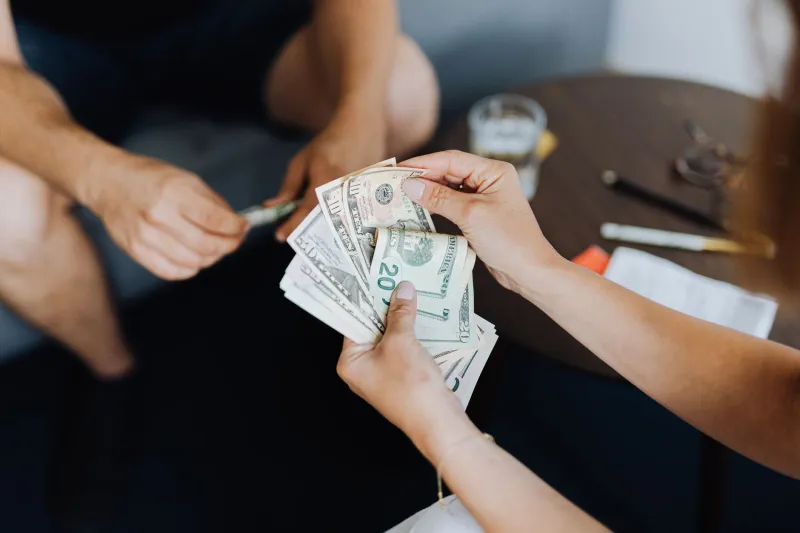
There's a version of this post where we show you a color-coded spreadsheet, assign percentages to each category, and wrap it up with a tidy lesson about being financially intentional. That's not this post.
This is the messier, more honest version — the one where we admit that for years, we were spending money on adventures in ways that had almost nothing to do with actually enjoying them. Some of it was ego. Some of it was anxiety. Some of it was just not knowing any better. And some of it, honestly, was Instagram.
We call it the adventure tax: the extra layer of spending that accumulates around a trip not because it makes the experience better, but because it makes the idea of the experience feel more legitimate. We've paid it plenty of times. We've also figured out, slowly and sometimes painfully, where it doesn't need to be paid at all.
Here's what we've actually learned.
Gear: The Category That Got Us the Worst
If you want to watch two people justify unnecessary spending in real time, hand them an REI catalog before a camping trip. We have done this. Multiple times. We have bought gear for trips we weren't sure we'd take, for conditions we'd never actually face, in sizes and weights optimized for adventures that were frankly way more serious than anything we were planning.
The turning point was a backpacking trip where Benny carried a rain jacket that cost more than our flights. It rained for about twelve minutes. The jacket performed flawlessly. A $40 rain jacket from a discount outdoor retailer would have done the same thing.
What we've learned: gear spending should match the actual frequency and intensity of your use, not the aspirational version of yourself you're hoping to become. If you're going to do something once, borrow or rent. If you're going to do it regularly, buy mid-range and wear it out before upgrading. The expensive stuff is genuinely worth it when you're actually pushing limits — we've learned that firsthand. But most of the time, we weren't pushing limits. We were just camping.
Where we do spend on gear now: sleep systems and footwear. A bad night of sleep ruins everything that follows, and blisters have derailed more trips than any weather event we've encountered. Those two categories get real budget. Everything else gets scrutinized.
Accommodations: The Great Rethink
We used to default to the mid-range hotel — not fancy, not sketchy, just reliably fine. It felt like the responsible choice. It also meant we were spending a significant chunk of every travel budget on a room we spent maybe seven hours actually conscious in.
The shift happened when we started being more honest about what we actually wanted from a place to sleep. On trips where we're spending long days outside and just need somewhere to crash, we've moved way down-market — hostels with private rooms, basic motels, the occasional sketchy-but-clean Airbnb that had three reviews and somehow delivered. Saved a lot of money. Lost almost nothing in terms of experience.
But on trips where the place is part of the point — a long weekend where we're actually trying to rest, a celebration trip, somewhere we've been wanting to go for years — we've learned to spend more and mean it. Not more as in luxury-resort more, but more as in: we did the research, we picked something with a specific character, and we paid for that intentionally.
The middle ground — the perfectly adequate hotel that costs $180 a night and has a pool nobody uses — that's where we've stopped defaulting. It was never really making anything better.
Food: The One Category Where We Stopped Cutting Corners
For a while, we tried to be disciplined about food on trips. Packed snacks, found grocery stores, avoided restaurants that looked like they'd been designed for tourists. Responsible, sure. But also, in retrospect, a little sad.
Food is now one of the categories where we spend without guilt, because it's almost always the thing we remember. Not the entrance fee to the thing, not the hotel, not the gear. The taco stand someone pointed us toward, the diner we walked into because it was raining and we needed coffee, the dinner we had on the last night of a trip that turned into a three-hour conversation about where we wanted to go next.
We've recalibrated. We skip expensive tourist-trap restaurants that are optimized for Instagram and underdelivering on flavor. We eat lunch at the places that look good instead of waiting for dinner. We find the local spots — not in a performative way, just in a we-asked-someone-who-lives-here way — and we order more than we think we need.
Food is where the adventure tax is most worth paying, if you're paying it for the right reasons.
Activities: The Admission Fee Question
This one surprised us. We assumed paying for experiences — tours, guided activities, entrance fees to parks and attractions — was always worth it. Experience over things, right?
Except not always. We've paid for guided experiences that told us nothing we couldn't have figured out by reading for twenty minutes before we left. We've paid for sunset cruises that were beautiful but also kind of the same sunset we could have watched from shore for free. We've paid for "exclusive access" to things that didn't feel particularly exclusive.
What we've found is that guided and paid activities are worth it when they give you genuine access to something you couldn't otherwise reach — a permit-required area, a local expert who genuinely changes how you see a place, an experience that requires equipment or skill you don't have. When it's just a convenient package of things you could have assembled yourself, we've started assembling them ourselves.
The national park entrance fee, though? Never skip it. Best per-hour value in American travel, and we will die on that hill.
The Real Adventure Tax
Here's the thing we keep coming back to: the actual adventure tax isn't any single category. It's the spending that happens when you're anxious about a trip going wrong and you try to buy your way out of that anxiety. Better gear so you feel prepared. Nicer hotel so you feel comfortable. Booked tour so you don't have to figure anything out.
Some of that is legitimate. A lot of it is just trying to feel more certain about something that's inherently uncertain — which is, not coincidentally, most of what makes adventures worth having in the first place.
We haven't stopped spending on travel. We've just gotten more honest about what we're actually buying when we do. Sometimes it's the thing itself. Sometimes it's just the feeling of having done it right. And those two things cost very different amounts.