We Leave Parties Early and We're Done Apologizing for It
Somewhere along the way, we developed a habit that has caused more low-grade social tension in our lives than almost anything else we do.
We leave parties early. Dinners too. Sometimes events we genuinely wanted to attend. We decide together, quietly, that we're done — and then we go. No forty-five-minute farewell loop. No "one more drink" we don't want. No lingering in the driveway for another half hour because leaving feels too abrupt.
We just... leave.
This sounds so minor that it probably seems ridiculous to write an entire article about it. But if you've ever tried to do this in a social setting — especially among close friends or family — you know it's not minor at all. It touches something. People have feelings about it. Strong ones, sometimes.
How It Started
It wasn't a decision we made so much as a habit we fell into and then realized we needed to defend.
For years, both of us were classic people-pleasers in social settings. We'd stay until it felt acceptable to leave, which usually meant outlasting our actual enjoyment of the event by a significant margin. We'd drive home exhausted and slightly resentful, not of the people we'd been with, but of ourselves for not listening to the signal that had been going off for the past hour.
The shift happened at a New Year's Eve party about four years ago. We were at a friend's place in Chicago — big group, loud, fun for the first two hours. By 10:30 we were both running on empty. We looked at each other across the room in that way couples do, and we both knew. We wanted to go home.
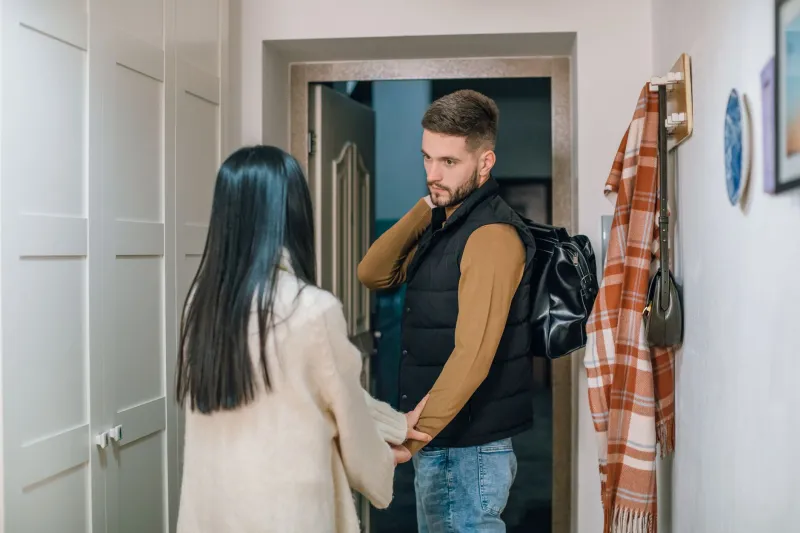
So we did. We said goodbye to the hosts, thanked them genuinely, and left. We were home before midnight. We made grilled cheese, watched something stupid, and fell asleep happy.
The texts started the next morning. "Did something happen?" "Are you guys okay?" "We were worried about you."
Nothing had happened. We were fine. We'd just left when we wanted to leave.
The Pushback, Catalogued
Over the years, we've gotten a pretty consistent range of reactions to this habit. Here's the honest breakdown:
The Concerned Check-In. This is the most common one. People assume that if you leave early, something must be wrong. You're fighting, or sick, or offended by something that happened. The idea that you might have simply been ready to go doesn't compute.
The Guilt Trip. "You never stay long enough." "It's like you can't wait to get out of here." This one usually comes from family. It's delivered lightly, as a joke, but it's not really a joke.
The Social Pressure Play. "Just stay for one more." "The night's just getting started." This is the one that used to work on us. It doesn't anymore, but we understand why people deploy it — because it used to work on them too, and they stayed, and now there's a subtle expectation that everyone should.
The Genuine Confusion. Some people just don't understand it. Not as a criticism, but as a real puzzle. "Don't you want to be here?" And the honest answer is: we did want to be here. We were here. Now we want to be home.
Why We Do It
Partly it's about energy. We're both people who need genuine downtime to function well, and social events — even ones we love — draw down the reserves. Leaving when we're still glad we came means we arrive home feeling good about the evening instead of depleted by it.
But it's also about honesty. Staying past the point of genuine enjoyment is a kind of performance. We're there physically but checked out emotionally, going through the motions of being present because leaving feels rude. That doesn't actually serve anyone. The hosts don't get our real attention; they get a polite simulation of it.
There's also something we've noticed about the quality of the time we do spend at events. When we know we'll leave when we're ready instead of when it's "acceptable," we're more present during the time we're there. We're not watching the clock or calculating when we can exit without causing offense. We're just there.
What It's Not
We want to be clear about something: this isn't anti-social. We like people. We like being at things. We show up, we engage genuinely, we're not the couple in the corner waiting for an excuse to leave.
It's also not a commentary on the people throwing the parties or hosting the dinners. Some of our favorite humans in the world have had to watch us walk out the door earlier than they'd like. It's not about them.
And it's not a rigid rule. Sometimes we stay late. Sometimes the night genuinely has more in it and we follow that. The point isn't to leave early — it's to leave honestly.
The Part We Had to Work Through Together
For a while, Benny was more comfortable with this than Katie was. He's always been better at shrugging off social expectations; Katie had a longer history of managing other people's feelings at the expense of her own.
So there was a period where we'd do the quiet exchange — the look, the nod — and then Katie would spend another twenty minutes working up to actually leaving. Benny would wait, trying not to push, and Katie would feel guilty for keeping him there when she knew he was ready.
We had to talk about it directly. What we landed on: we make the decision together, and then we both commit to it. No solo guilt missions after the fact. If we've agreed we're leaving, we leave.
That sounds simple. It took us a while to actually do it.
On Not Needing Validation
The most useful thing we've learned through this — and through a lot of other choices we've made that other people find odd — is the difference between explaining yourself and defending yourself.
We'll explain this choice to someone who's genuinely curious about it. We'll have an actual conversation about why we do it and what we get out of it. That's fair.
But we've stopped defending it. Defending implies there's something to apologize for. There isn't. We left a party at 10:30. We went home and made grilled cheese and were happy. That's not a crime against hospitality.
The freedom that comes from owning a choice without needing everyone to approve of it is hard to describe until you've actually felt it. But once you have, it's very difficult to go back to the performance.
We leave parties early. We're not sorry about it. And genuinely — you should try it sometime.